

Between four and six thousand trees grown from seed every year, hives that are monitored rather than just visited, and a workshop that turns our own beeswax back into foundation. This is the work behind every jar of Hive & Earth honey.
There is no honey without healthy bees
South Africa produces remarkable honey, and not very much of it. Good seasons depend on rainfall, on what is flowering, and on bee populations that are under real pressure from habitat loss, disease and the loss of forage.
Everything we sell depends on that holding. So the work below is not a corporate programme bolted onto a honey business. It is the honey business.
Our Commitment to a Better Tomorrow
Eight commitments that reflect how we care for our bees, our people and the planet.
01
People and community
Growing together.
We support local employment, skills development and long term partnerships across our value chain, from employees and beekeepers to suppliers and the communities around our apiaries. When veld fires came through recently, our team worked to protect neighbouring farms and homes.
02
Circular value creation
Maximising value, minimising waste.
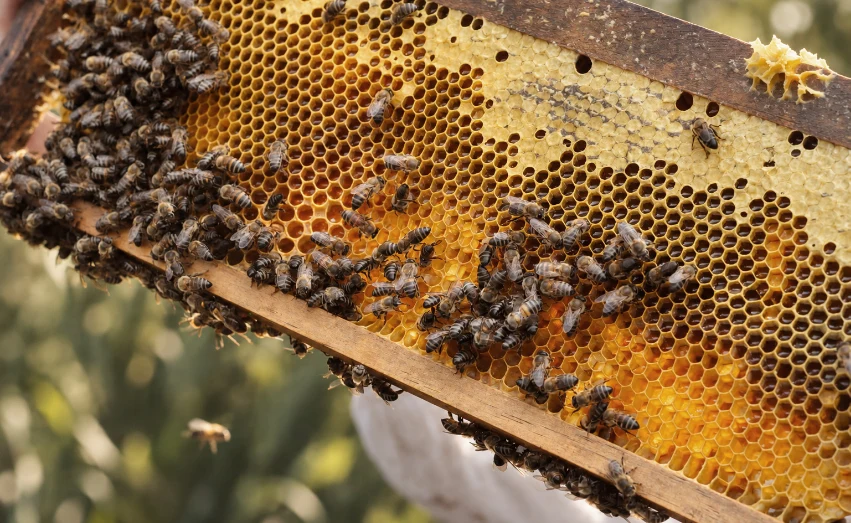
Beeswax generated through our operations is recovered and pressed into new foundation sheets for our hives, and we build and refurbish hives using timber from our own tree planting. Wherever something can be reused, repurposed or given a longer life, we look for the way to do it.
03
Bloom to bottle
Knowing where every jar begins.
Our vertically integrated model traces honey from floral source to finished product, so each jar can be traced back to its apiary, harvest location, season and collection date.
04
Pollination and biodiversity
The link between nature and agriculture.
We place the right number of colonies on each hectare of farmland so that fruit, seed, vegetable and nut crops set properly. A flourishing farm and a flourishing bee population depend on one another.
05
Honey DNA footprint
The future of honey provenance.
By connecting floral sources, geography, biodiversity and harvest data, we are building the foundations for provenance and authenticity verification, so that a jar can be matched to its landscape by more than the label.
06
Our net zero journey
Climate accountability in action.
Sustainability is embedded in how we operate. From measuring and managing our carbon footprint to reducing emissions, minimising waste and using resources responsibly, we continuously refine our practices to maintain a lighter impact on the planet.
07
Planting for bees
Giving back more than we take.
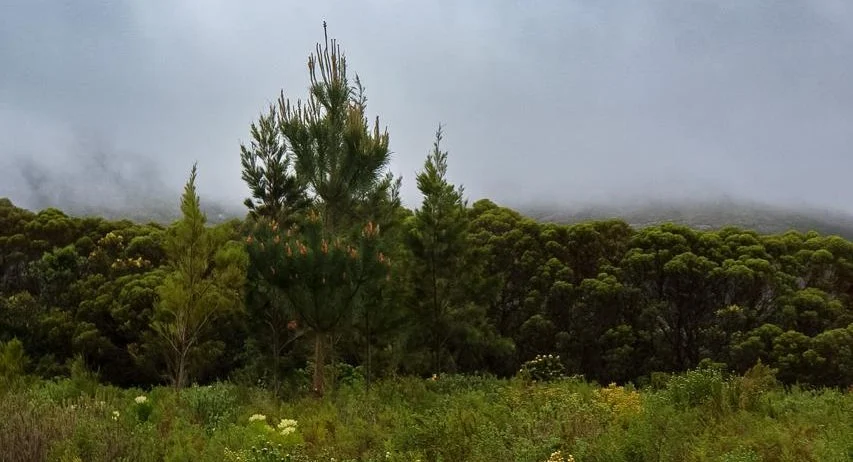
Through our own nursery we propagate and plant between 4 000 and 6 000 trees a year from seed, restoring habitat and increasing forage for pollinators well beyond our own hives.
08
Hive health monitoring
Protecting hive health through data.
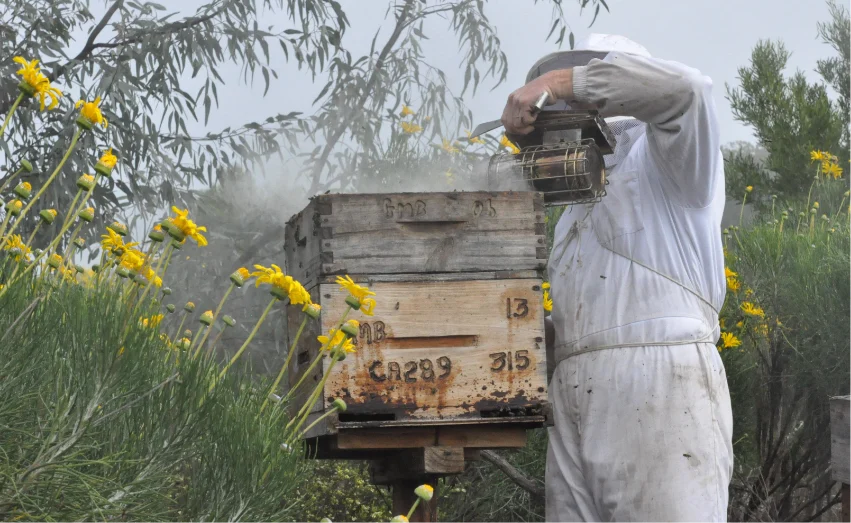
Continuous readings of temperature, humidity, weight and bee activity give our beekeepers real time insight into colony condition, so problems are caught before they become losses.
Planting for bees
It starts with a seed
Between four and six thousand trees are propagated and planted every year.
Our commitment to the earth begins with something remarkably small. A seed.
We grow trees from seed in our own nursery and plant them out, restoring forage and contributing to a more considered honey landscape. Their blossoms feed honeybees well beyond our own hives. It is a long term investment: planted today, growing for years to come.
Nothing wasted
Circular by habit
Responsible production starts with respecting every resource we are given.
Beeswax from our own operations is recovered and turned back into foundation sheets for our hives. We build and refurbish our hives using wood from our tree planting programme. Wherever something can be reused, repurposed or given a longer life, we look for the way to do it.
How we keep bees
Monitored, not simply visited
Our hives carry continuous readings of temperature, humidity, weight and colony activity, so our beekeepers can see a problem forming before it becomes a loss. Stronger colonies, and fewer of them lost each season.
That matters well beyond our own operation. Colony loss is one of the clearest pressures on beekeeping in this country, and a hive that is watched is a hive far more likely to come through the season intact.
We also grow what the bees eat. Through our own nursery we propagate trees from seed and plant them as forage, restoring habitat rather than simply drawing on it.
Bees for other people’s land
Pollination is part of the work
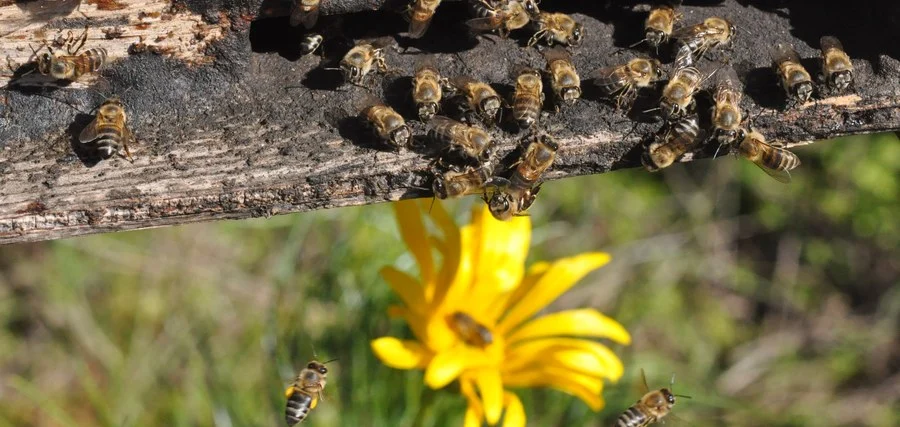
We keep bees for other people’s land as well as our own. Pollination is a specialised practice, placing the right number of colonies on each hectare so that fruit, seed, vegetable and nut crops set properly. A flourishing farm and a flourishing bee population depend on one another.
Our hives work across eight provinces and a far wider range of flowering than the honeys we sell by the jar, from fynbos and renosterveld in the Western Cape through citrus, canola, macadamia, avocado and blueberry.

Traceable to the apiary
You can ask where it came from
Every jar can be traced back to its apiary, harvest location, season and collection date. That record is the reason we can say what we say on this page, and the reason you do not have to take any of it on trust.
Every stage is recorded, from hive placement and extraction through quality assessment, testing, packing and release. If you want to know where a particular jar came from, ask us.