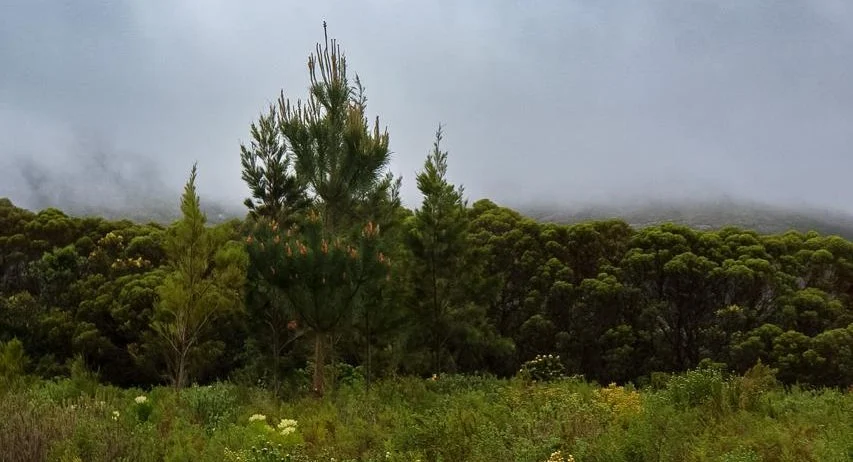
Bees are the reason there is a business at all.
And the way they are kept determines everything that follows.
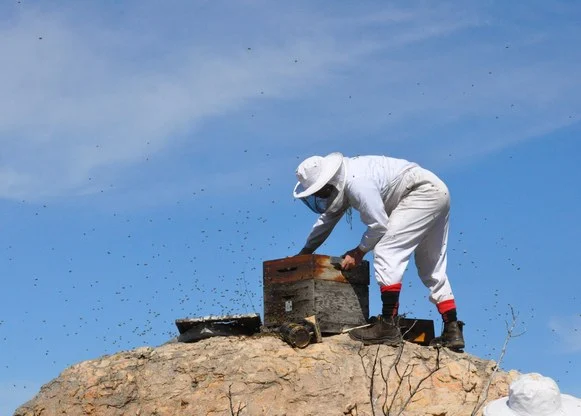
Hives that are monitored, not simply visited
Our hives are monitored, not simply visited. Continuous readings of temperature, humidity, weight and colony activity let our beekeepers see a problem forming before it becomes a loss, which means stronger colonies and fewer of them lost each season.

Pollination for other people’s land
We also keep bees for other people’s land. Pollination is a specialised practice, placing the right number of colonies on each hectare so that fruit, seed, vegetable and nut crops set properly. A flourishing farm and a flourishing bee population depend on one another.